
20 Hands-On Project Ideas for Kids to Build Real Skills
Tired of screen time that leads nowhere? It’s time to move beyond the passive, one-size-fits-all model of learning where kids consume content but don’t create anything. This list is packed with project ideas for kids designed to build agency—the ability to make, test, and own their creations.
We've organized 20 hands-on projects by what your child will make. Each idea is designed to be doable at home, turning natural curiosity into tangible skills and a portfolio they can be proud of.
Ready to get started?
Quick Picker:
- To Make Something Physical: Jump to Make
- To Build Something Digital: Jump to Code
- To Craft a Narrative: Jump to Tell
- To Solve a Real Problem: Jump to Help
Make: Physical Creations
These projects end with a tangible artifact you can hold, test, and improve. They build skills in engineering, biology, and chemistry.
1. Solar Oven S'mores
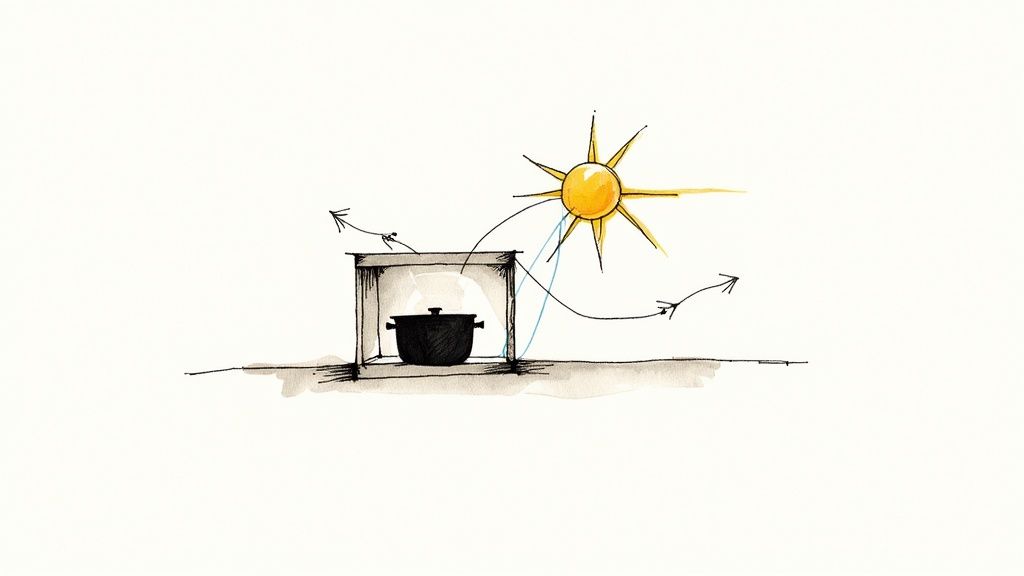
- Time: 45 minutes
- Materials: Cardboard box, foil, plastic wrap, black paper, tape, stick. No-kit option: A sunny day and a car dashboard can work in a pinch.
- Output: A working oven that melts s'mores or nachos using only sunlight.
- Share: Photo of the finished s'mores, cooked by the sun.
- Reflect: What would you change in v2 of your oven to make it hotter?
2. Erupting Volcano Model
- Time: 20 minutes
- Materials: Plastic bottle, clay/dough, baking soda, vinegar, red food coloring, tray.
- Output: A volcano that erupts with fizzy "lava."
- Share: A 15-second slow-motion video of the eruption.
- Reflect: Which ingredient had the biggest impact on the eruption size?
3. Butterfly Garden Starter
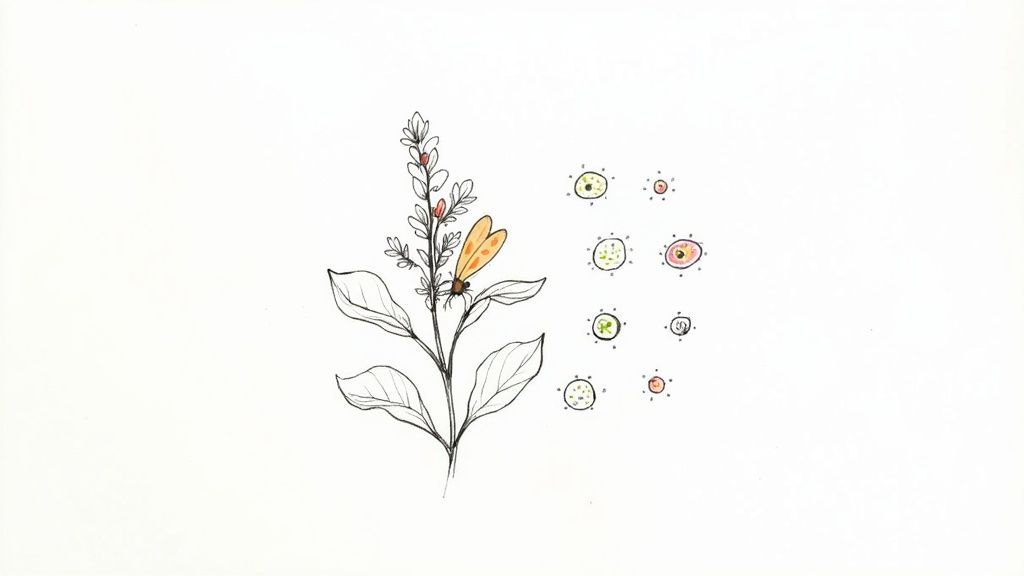
- Time: 45 minutes (planting), plus ongoing observation.
- Materials: Pot, soil, butterfly-friendly native plant seeds/seedlings.
- Output: A small garden designed to attract and feed local pollinators.
- Share: A photo journal tracking plant growth from week to week.
- Reflect: Where did you get stuck, and how did you figure out what to do?
4. Crystal Geodes
- Time: 20 minutes (setup), plus 3-5 days of waiting.
- Materials: Jar, hot water, string, pencil, borax or salt.
- Output: Sparkling, home-grown crystals on a string or pipe cleaner.
- Share: A close-up photo showing the crystal structures.
- Reflect: What was the hardest part about waiting for the crystals to grow?
5. Simple LED Circuit
- Time: 10 minutes
- Materials: Coin battery, copper tape, LED, paper.
- Output: A paper card or small sculpture that lights up.
- Share: A short GIF of the light turning on and off.
- Reflect: What's another object you could power with this simple circuit?
Code: Digital Creations
These projects use logic and programming to create games, robots, and interactive stories. They build skills in systems thinking and problem-solving.
6. Scratch Animation
- Time: 20 minutes
- Materials: A computer with internet access.
- Output: A short, animated story or game with one character and one action.
- Share: A link to the finished Scratch project for others to play.
- Reflect: What was the bug that took the longest to fix? How did you solve it?
7. LEGO Robot Maze Navigator
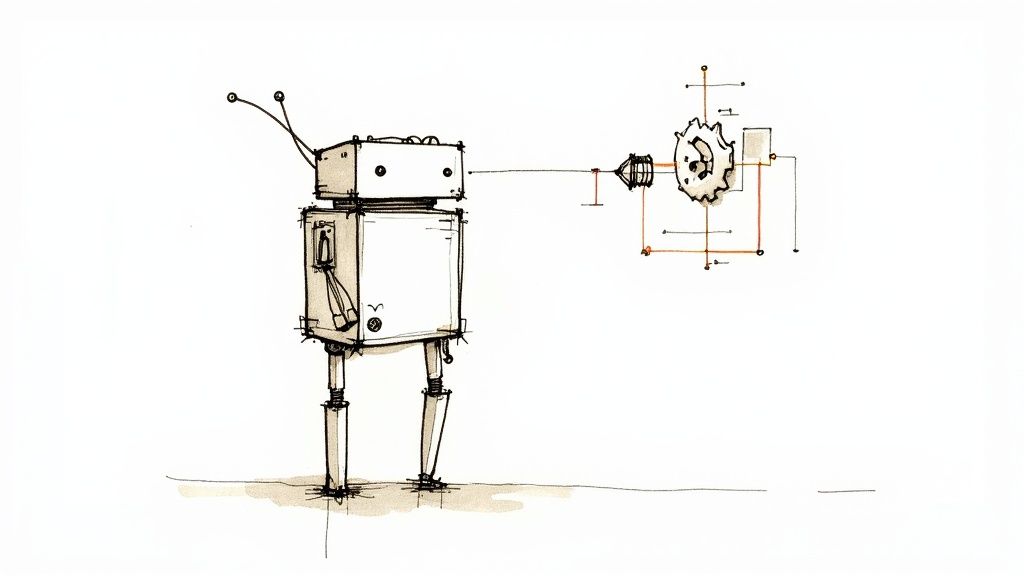
- Time: 45 minutes
- Materials: LEGO Mindstorms, VEX, or similar robotics kit. No-kit option: Use a remote control car and create "code" on paper to direct a family member.
- Output: A robot that can navigate a simple maze made of books.
- Share: A video of the robot completing the maze successfully.
- Reflect: What changed between your first program and your final one?
8. Twine Interactive Story
- Time: 20 minutes
- Materials: A computer with internet access (Twine is free and browser-based).
- Output: A choose-your-own-adventure story with at least two choices and two different endings.
- Share: Send the story link to a friend to see which ending they get.
- Reflect: Which choice was the most fun to write, and why?
9. Stop-Motion Movie
- Time: 45 minutes
- Materials: Smartphone or tablet with a stop-motion app, LEGO figures or clay.
- Output: A 30-second stop-motion film with a clear beginning, middle, and end.
- Share: Post the final movie to a family chat group.
- Reflect: How did you make the character's movements look smooth?
10. Personal Website with Glitch
- Time: 45 minutes
- Materials: Computer with internet access.
- Output: A simple, one-page website about a favorite hobby, built using a remixable template on Glitch.
- Share: The URL of the live website.
- Reflect: What was the most confusing part of the code, and how did you figure it out?
Tell: Narrative Creations
These projects focus on research, communication, and storytelling. They build skills in writing, speaking, and organizing information.
11. Family History Interview
- Time: 45 minutes
- Materials: Voice recording app (on a phone), pre-written questions.
- Output: A 5-minute audio interview with a grandparent or older relative.
- Share: The audio file and one surprising fact you learned.
- Reflect: If you did another interview, what one question would you ask differently?
12. Neighborhood Map
- Time: 20 minutes
- Materials: Paper, markers, clipboard.
- Output: A hand-drawn map of your block, including a key and a compass rose.
- Share: A photo of the map. Test it by asking a parent to navigate from the park to your house using only the map.
- Reflect: What was one detail you noticed about your neighborhood that you never saw before?
13. How-To Video Tutorial
- Time: 45 minutes
- Materials: Smartphone for recording, a simple skill to teach (e.g., tying a knot, shuffling cards).
- Output: A 60-second tutorial video that clearly explains one skill.
- Share: The video link. Ask a friend if they could learn the skill from your video.
- Reflect: Which step took the most effort to explain clearly?
14. One-Page Comic Strip
- Time: 20 minutes
- Materials: Paper, pencil, ruler.
- Output: A 3-panel comic strip telling a simple story about your day.
- Share: A picture of the finished comic.
- Reflect: How did you use pictures instead of words to show an emotion?
15. Book Review Podcast
- Time: 20 minutes
- Materials: Voice recording app.
- Output: A 2-minute audio recording reviewing a book you recently finished.
- Share: The audio clip with a family member who has read the same book.
- Reflect: What is the #1 reason someone should (or shouldn't) read this book?
Help: Community & Nature Creations
These projects solve a real-world problem for your family, community, or local ecosystem. They build skills in research, empathy, and systems thinking.
16. Backyard Weather Station
- Time: 45 minutes
- Materials: Plastic bottle, straws, paper cups, pin, ruler, permanent marker.
- Output: A simple rain gauge and wind vane to track local weather.
- Share: A daily weather log for one week, comparing your data to the local forecast.
- Reflect: When was your data most different from the official forecast, and why do you think that was?
17. Decomposition Experiment
- Time: 20 minutes (setup), plus monthly check-ins.
- Materials: A patch of soil, small markers, items to test (apple core, paper, plastic wrapper).
- Output: A buried "time capsule" of materials to observe decomposition.
- Share: Before-and-after photos of the items after one month.
- Reflect: Which item changed the most, and why do you think it did?
18. Family Chore Chart Redesign
- Time: 45 minutes
- Materials: Whiteboard or large paper, sticky notes, markers.
- Output: A new, visual chore system that the whole family agrees to test for one week.
- Share: A photo of the new chart posted on the fridge.
- Reflect: What was the biggest disagreement while making the chart, and how did you solve it?
19. Toy/Book Donation Drive
- Time: 45 minutes
- Materials: Boxes, markers for signs, a plan to find a local donation center.
- Output: A sorted box of gently used items ready for donation.
- Share: A photo of the box ready to go.
- Reflect: What was the hardest item to give away, and why did you decide to donate it?
20. Bird Feeder & Species Log
- Time: 20 minutes
- Materials: Pinecone, peanut butter, birdseed, string, a notebook.
- Output: A simple, homemade bird feeder hung in a visible spot.
- Share: A log with sketches of the first three bird species that visit.
- Reflect: What time of day do the most birds visit your feeder?
Turn Any Idea Into a Guided Quest
The best project ideas for kids are starting points, not final destinations. They are opportunities to move from passive learning to active creating. The goal isn't a perfect artifact on the first try; it's the cycle of making, sharing, and reflecting that builds confidence and agency.
Your role is to help your child pick a spark and see it through. Here’s how:
- Pick a Spark: Ask your child, "Which of these looks like the most fun to make tonight?"
- Define "Done": Agree on what a finished project looks like. A photo? A 30-second demo? A working model?
- Focus on V2: After they finish, ask the key question: "That's a great v1. What would you change for v2?"
This process teaches kids that their ideas are powerful and that progress comes from iteration.
If you like this project-based approach but want it to be even easier at home, Kubrio can help. Paste any idea from this list into Kubrio to get a complete quest with step-by-step instructions, feedback prompts, and a digital portfolio to track your child's progress over time.